

How China Became the Ultimate Swing Oil Buyer
Source Summary
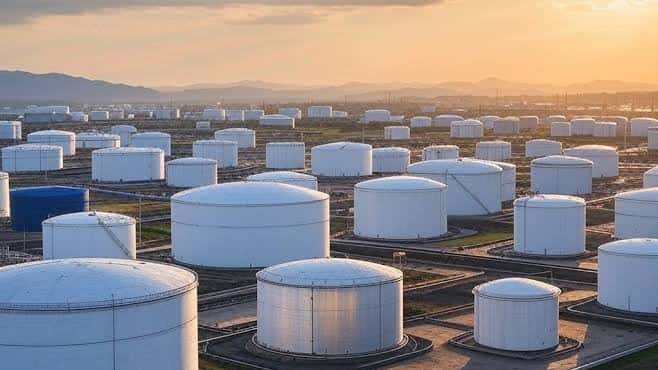
Despite five months of Strait of Hormuz closures removing over 10% of global crude supply, oil prices have remained below $100 per barrel rather than spiking to $150–$200 as predicted. Governments releasing strategic petroleum reserves, coordinated through the IEA's 400-million-barrel drawdown, have been a key factor in stabilizing prices.
In depth
Oil markets have remained surprisingly resilient despite a five-month closure of the Strait of Hormuz, which supplies roughly 10% of global crude oil. Contrary to March warnings of prices reaching $150–$200 per barrel, crude has stayed below the $100 mark. Strategic petroleum reserve releases, including a coordinated 400-million-barrel drawdown managed by the International Energy Agency (IEA), have been instrumental in preventing severe price spikes. This measure represents one of the key mechanisms governments employed to stabilize markets amid the supply disruption.


